Whether you’re an off-grid homeowner relying on oil for daily heating, or a business with a backup boiler emergencies, you need to be aware of how colder, wetter weather can affect not only your heating oil prices, but also the running of your systems. From the oil itself to components as small as valves, anything can be affected. But equally, anything has a solution.
Moisture and Condensation
Rainwater and condensation can make their way into oil tanks, especially if seals or lids are compromised. Left unchecked this can lead to sludge formation, corrosion, bacterial growth, and blockages.
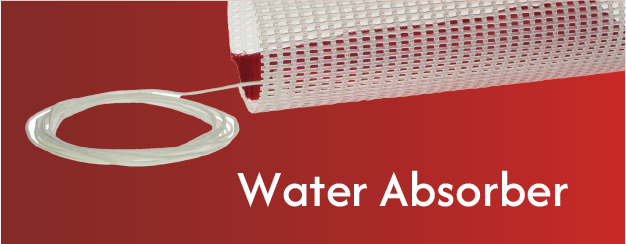
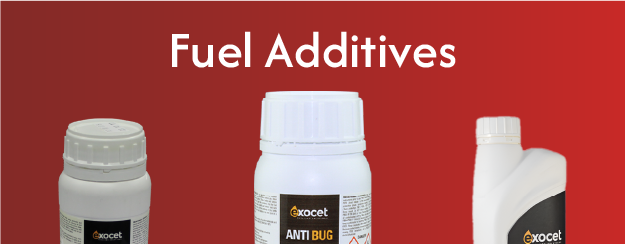
Solutions? Use oil tank water absorbers – simple devices dropped into the tank (with a retrieval cord left outside for easy removal) – and Exocet fuel additives to break down bacteria and sludge caused by water contamination.
Maintaining clean, dry fuel means your system will operate efficiently throughout the wet weather season.
Fuel Flow
Colder weather means the temperature of the fuel drops which means the heating oil will become thicker. As a result, fuel transfer system will have to work harder which contributes to reduced efficiency.
To combat this, it’s important to have your boiler system serviced regularly as parts may need to be replaced more often. If you notice uneven heating around the building, this could potentially indicate a fuel flow issue – you’ll need to speak to your engineer.
Transfer Pumps / Filters
External pumps, filters, any kind of external components of the transfer system, are particularly susceptible to poor weather conditions. Without proper housing or shielding, rain and persistent damp can work their way into parts and seals. Water and mechanical parts do not play nice. Pumps seize. Filters clog. Parts corrode. Keeping pumps and other parts enclosed when externally fitted protects them from rust, moisture ingress and even impact damage.
Flues on Vaporising Burners
Vaporising burners rely on stable natural draught to achieve clean combustion. During periods of high winds and sudden guest, poorly configured or exposed flues can experience downdrafts that push combustion fumes back down toward the burner. This causes unstable flames, increased levels of soot, and in some cases, fuel not fully vaporising before ignition.
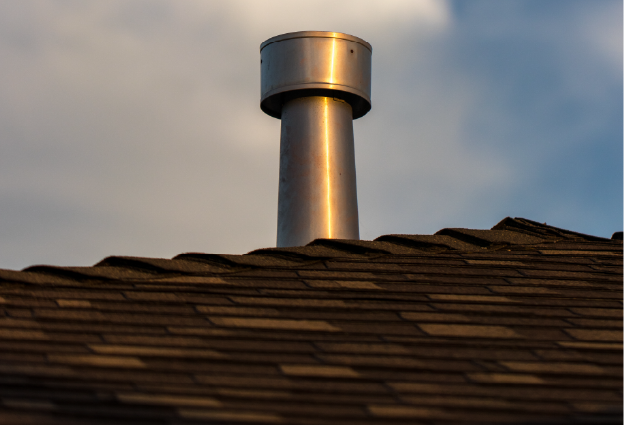
If the draught collapses entirely, fumes can escape into the property which is a serious CO risk (plus it causes unpleasant oil odours). Poor weather conditions increase the risk. Ensuring the flue height, cowl design and clearances are correct – and free from obstructions – helps maintain proper draught, protecting combustion quality and preventing soot build-up.
Condensate Pipes
Condensing boilers continuously remove moisture from the flue gases and drain it via a condensate pipe. When that pipe runs externally it becomes highly vulnerable to sub-zero nights in February through to April.
If the pipe freezes, condensate can’t drain. The boiler’s internal safety protections then shut the system down to prevent flooding or damage. With heating already in high demand during cold spells, a frozen condensate line can leave a home unexpectedly without heating.
Proper weather-resistant routing and insulation on exposed pipework is essential. Where possible, running the line internally or increasing the pipe diameter further reduces the risk of freezing – and keeps the boiler operating reliably in poor weather.
Shut-Off Valves
External shut-off valves are exposed to cold, damp weather. When temperatures drop, moisture can freeze around the valve, making it stiff or completely seized and restricting fuel flow. In some cases, this can lead to burner lockouts. If seals are cracked or loosened from freezing/thawing cycles, leaks might occur.
A simple check: keep valves insulated and sheltered from the elements to ensure they stay operational through poor weather.
The Bottom Line
Weather may be unpredictable, but your boiler system doesn’t have to be. With the right preventative steps, you can keep your oil boiler running safely and efficiently all season long – without needing emergency callouts or expensive repairs.