Introduction to GP Pressure Pump Sets
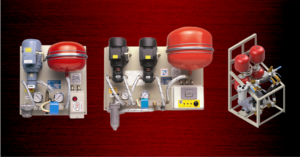
Inpro manufactures GP Pressure Pump Sets as advanced, ready-made fuel transfer solutions. These sets move liquid fuels like diesel or HVO from a main storage tank to various consumption points. They maintain a constant, pressurised fuel supply for machinery such as power generators, burners, boilers, and combined heat and power (CHP) units. This comprehensive guide explains everything from core functionality to maintenance and model selection to help you manage fuel distribution across complex installations.
Understanding the Application: Why Use a GP Pump?
In many commercial and industrial heating systems, the main fuel reservoir is located far from the burners or at a different elevation. A standard burner pump may not have the suction capacity to pull fuel over long distances or high lifts. This is where the GP Pressure Pump Sets range excels.
By pressurising the supply line, these units allow for:
- Multiple consumption points: Supplying several burners or service tanks from a single GP unit.
- Variable heights: Effortlessly delivering fuel to appliances installed at different elevations.
- Dead-leg pipework: Enabling installations where the GP unit operates on its own internal pressure switch without needing external controls.
How GP Pressure Units Work
A GP unit is a compact, factory-tested assembly consisting of one or two pumps, an expansion vessel, a filter, and various gauges and controls. The system works by maintaining a set pressure within the discharge line.
Unlike traditional “always-on” transfer pumps, GP units operate via an internal pressure switch, meaning they only pump fuel when a drop in line pressure is detected (i.e., when an appliance is consuming fuel). This “demand-driven” operation reduces wear and tear and improves energy efficiency. For installations using modulating burners, these units can be paired with an Inpro Oil Burner Inlet Assembly (BAM) to ensure stable delivery parameters.
Key Benefits of the GP Range
Installing an Inpro GP pressure unit offers several operational advantages:
- HVO Ready: The 2024 range is fully compatible with Hydrotreated Vegetable Oil (HVO), supporting the transition to sustainable fuels.
- Integrated Redundancy: “GE” (Twin) models feature two pumps. If one motor fails, the other automatically takes over, ensuring no interruption to the fuel supply.
- Comprehensive Monitoring: Units come equipped with vacuum gauges to monitor suction health and pressure gauges for the discharge side.
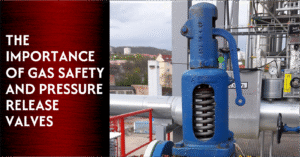
- Safety First: Standard features include a safety valve to prevent overpressure and a low-pressure blockage indicator to protect the system.
- Simplified Installation: Being a ready-made set, it minimises the number of connections required on-site, reducing potential points of failure.
Different GP Models Available
The range is categorized by flow rate and redundancy requirements:
GP-GC (High Flow): Designed for heavy industrial use, these units handle high-capacity requirements from 2,200 l/h up to 12,000 l/h.
GP30 / GP30 Twin: Ideal for smaller applications with flow rates up to 30 l/h.
GP70-1500 Single (N): A versatile single-pump range for medium-sized installations with flow rates from 70 l/h to 1,500 l/h.
GP70-1500 Twin (GE): Offers the same flow range as the single units but with dual-pump redundancy for critical systems.
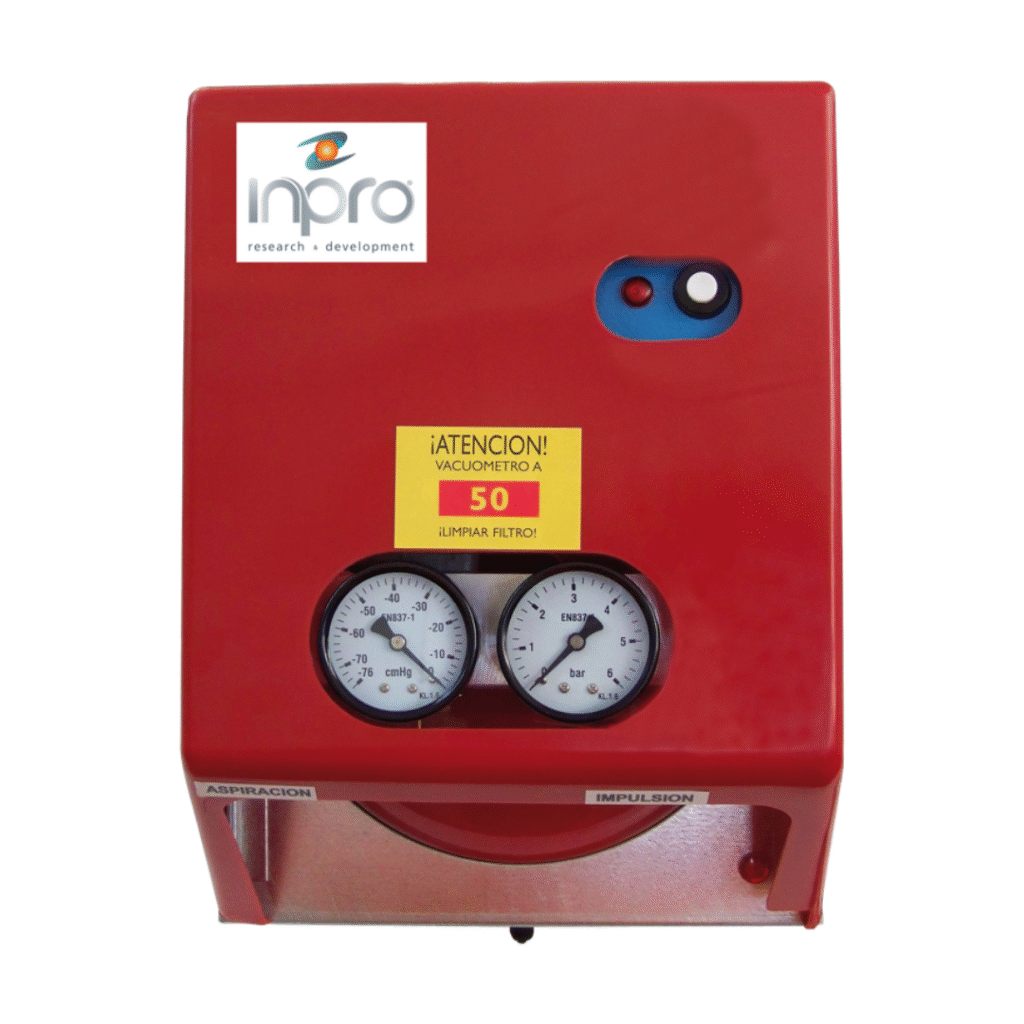
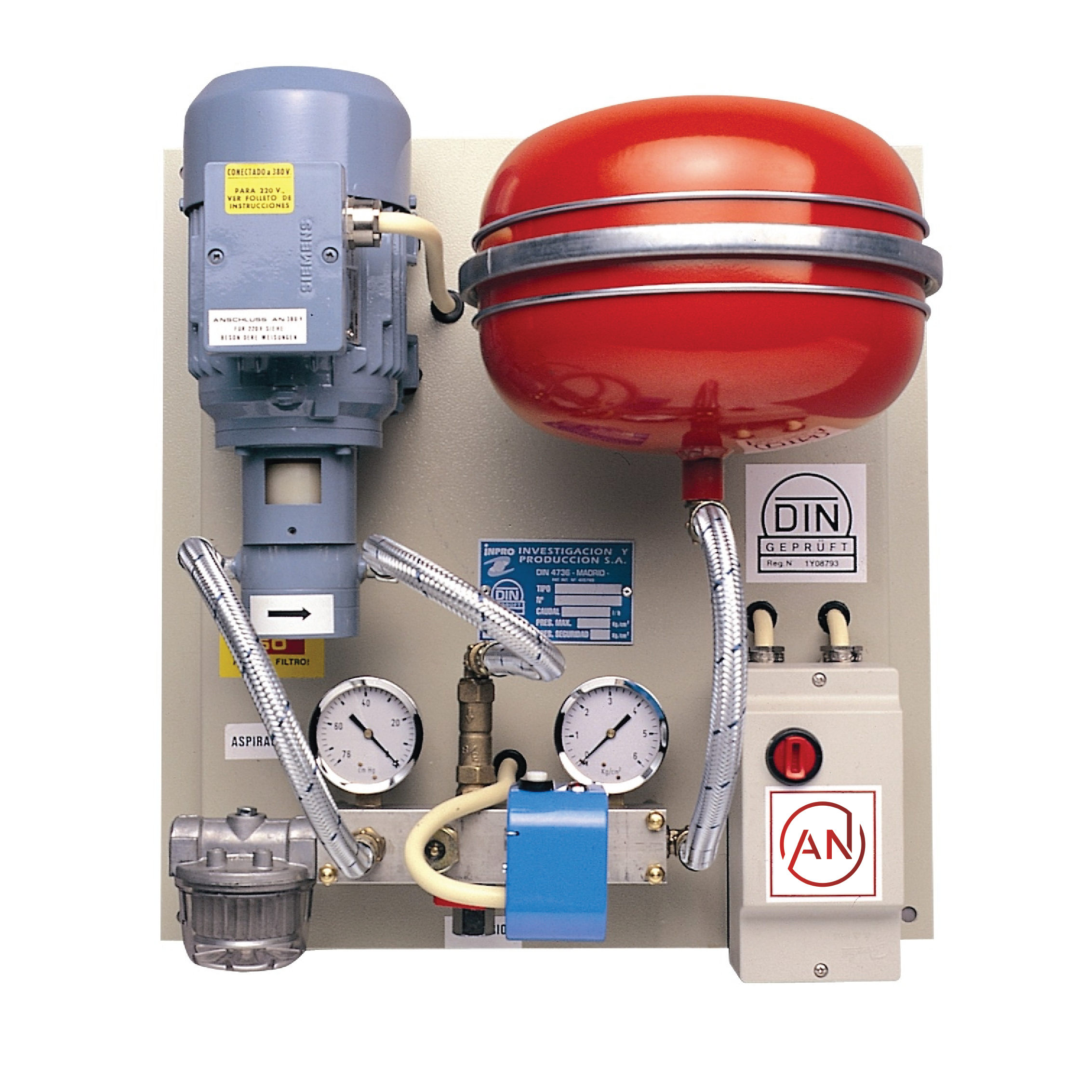
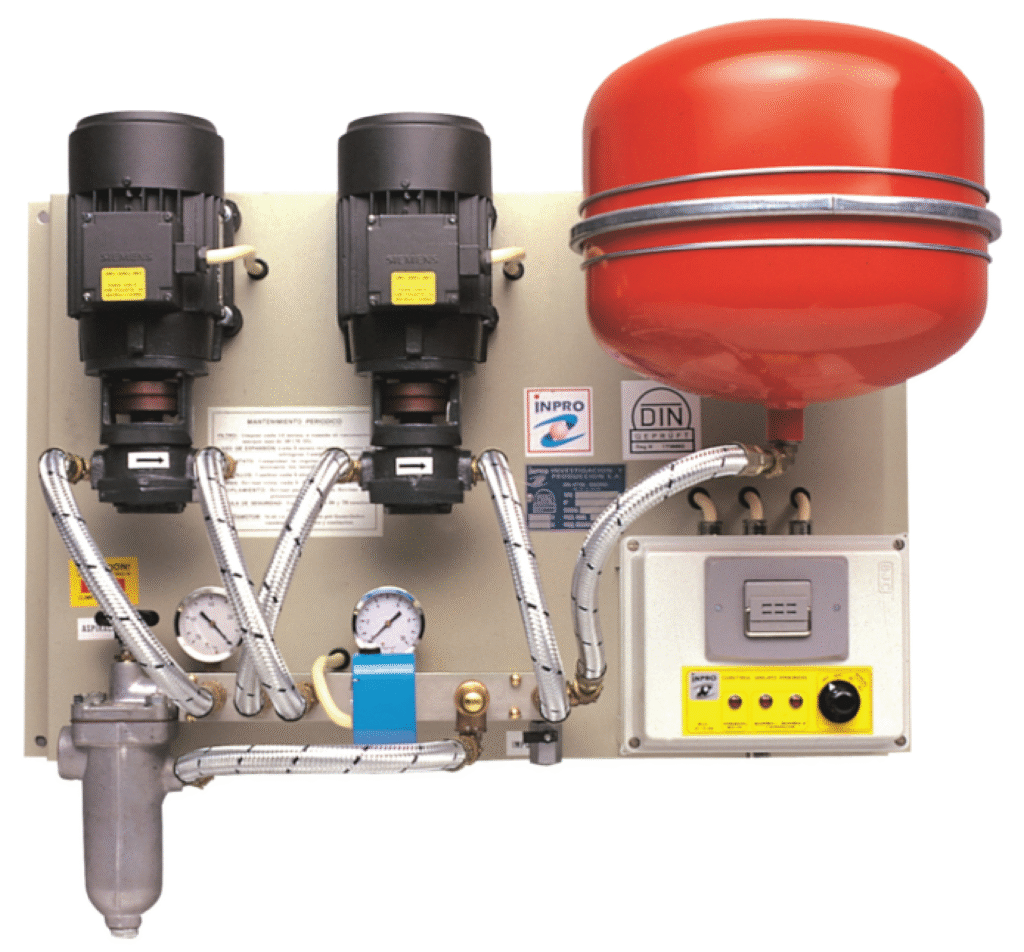
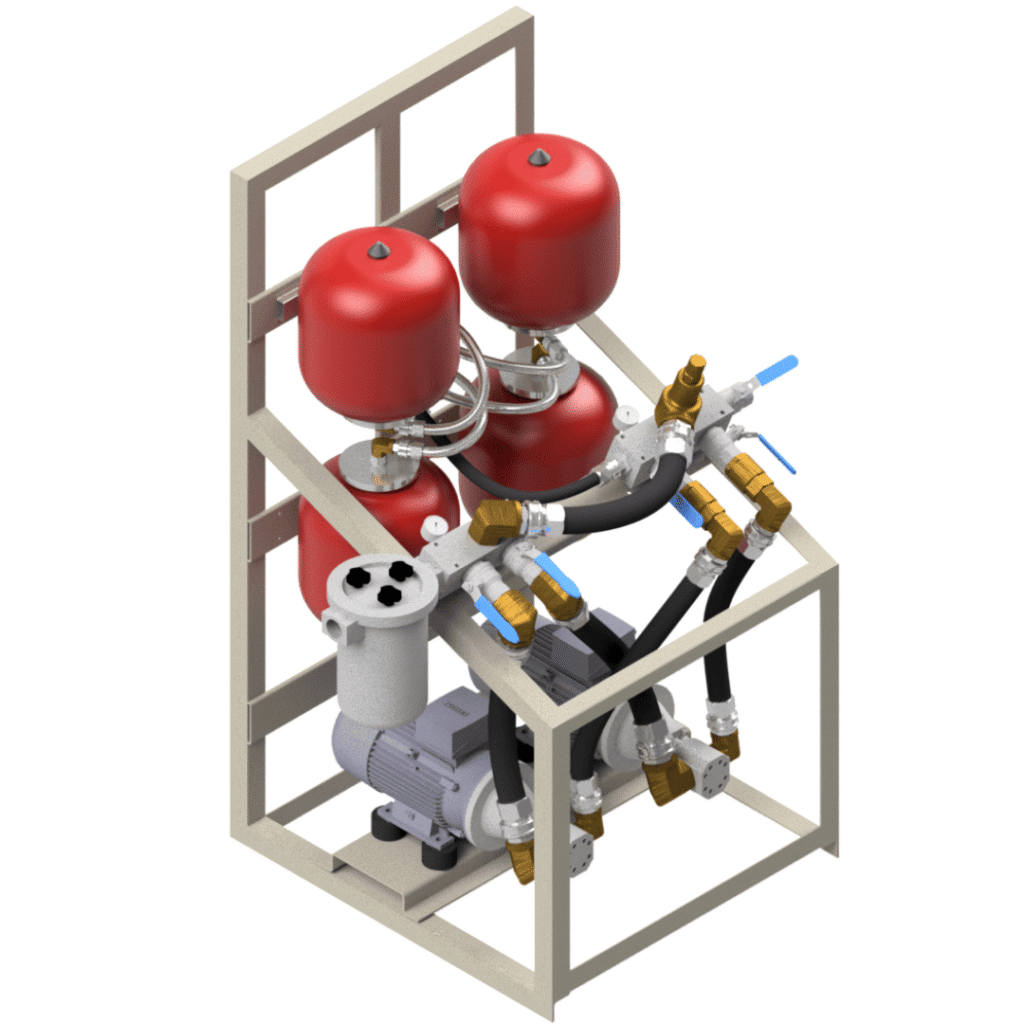
See specific model information here.
Installation and Commissioning
Proper installation is vital for safety and performance. Only specialised companies should carry out the installation. Key guidelines include:
- Location: Install on a smooth, dry, solid wall or floor bed in a well-ventilated area.
- Piping: Use copper piping with compression connectors to ensure a perfect seal.
- No Foot Valve: A foot valve shall not be installed in the tank, as it can increase negative pressure loss and impede fuel return during overpressure.
- Priming: During commissioning, the pump must be purged of air. Pressing the pressure switch button starts the pump; you must continue until the “low pressure” light goes out, indicating the system is full of fuel.
Maintenance and Troubleshooting
Any While GP units are designed for trouble-free work, regular maintenance ensures longevity:
Pump Care: If a pump runs dry, it may need to be lubricated by injecting oil into the intake.
Filter Cleaning: Clean the filter element at least once a year. A high reading on the vacuum gauge (50-55 cm/Hg) often indicates a blocked filter or suction pipe.
Expansion Tank: Check the nitrogen pressure (typically 0.7 to 0.8 bar) every 2-3 months. If the unit starts and stops almost constantly, it has likely lost its nitrogen charge.
Common Fault Guide:
- Rapid Start-up and Shutdown: Check the air in the expansion vessel.
- Pump Turns but No Suction: Likely an air leak in the suction line or the pump has run dry.
- Low Pressure Light Stays On: Check for a fuel shortage in the tank or a significant leak in the discharge line.
Conclusion
The Inpro GP Pressure Pump range provides a robust, efficient solution for complex fuel handling needs. Whether you are supplying a single generator or a network of industrial burners, choosing the right GP unit ensures a safe and reliable oil supply.
For expert advice on selecting the perfect pump set or for help with a bespoke installation, please contact our technical team today!