It’s Not Always the Generator…
When discussing reliability in oil-fired backup power, CHP and commercial heating applications, attention often draws to the main generator or the burner. Yet experienced engineers know that many issues originate elsewhere.
In fact, the components surrounding the burners and generators can have a significant impact on reliability, performance and maintenance requirements. For contractors, engineers and service providers, understanding these common issues points can help reduce downtime, minimise repeat call-outs and improve customer satisfaction.
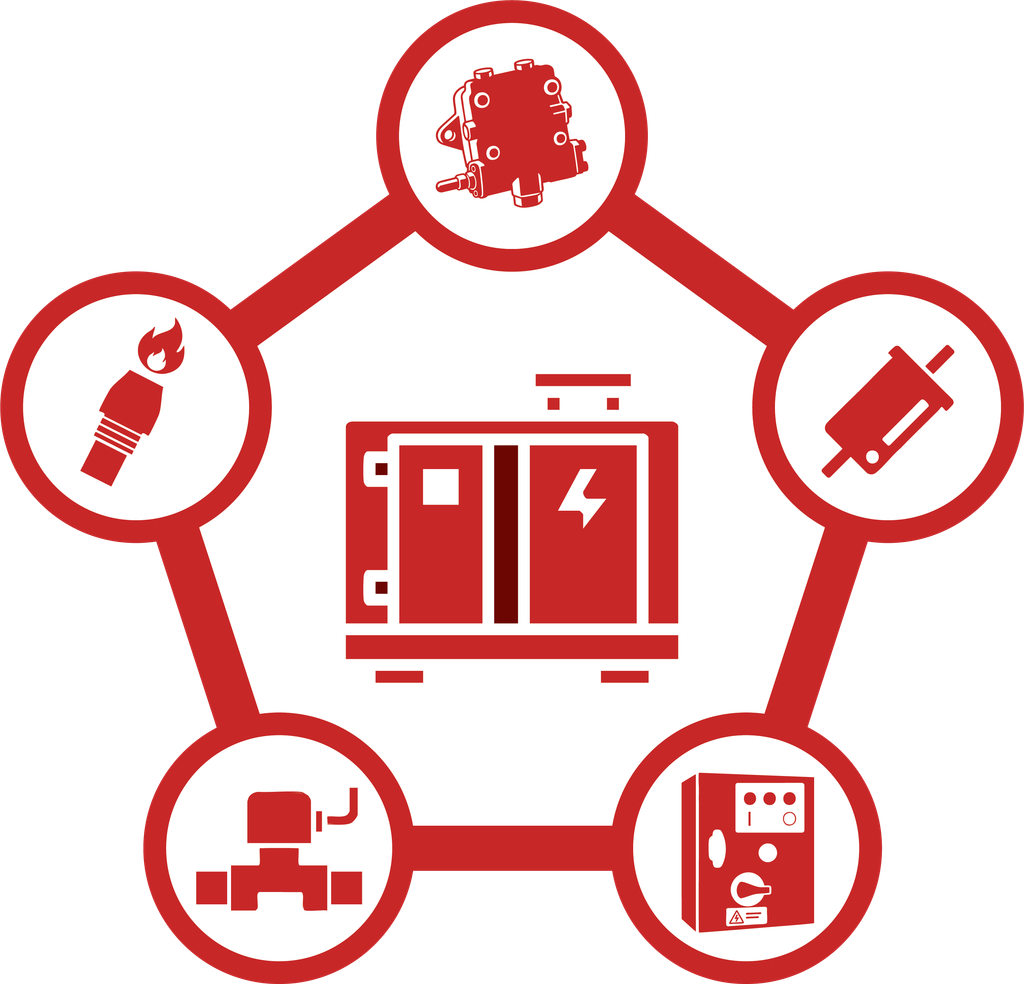
1. Fuel Handling and Transfer Issues
Power starts with reliable fuel delivery. Problems with equipment can lead to:
- Irregular fuel supply
- Poor combustion performance
- Start-up failures
- Reduced efficiency
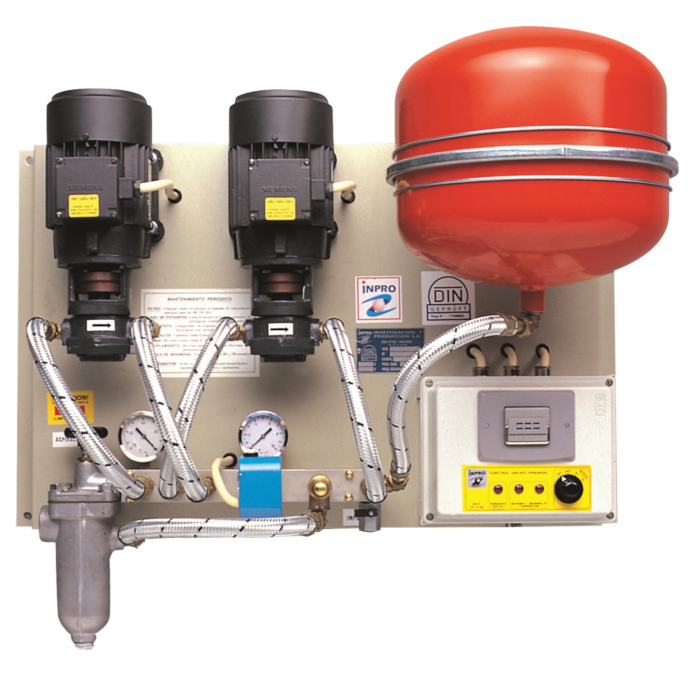
Your attention needs to be on transfer pumps, fuel conditioning equipment, filters and associated controls.
Consider:
- Monitoring capability
- Age of transfer equipment
- System cleanliness
- Maintenance history
2. Ageing Valves and Other Equipment
Valves perform essential control and safety functions in fuel transfer systems.
Over time, wear, contamination and environmental conditions can affect performance.
Common symptoms include:
- Inconsistent operation
- Slow response times
- Leakage
- Unexpected shutdowns
For engineers, valve-related faults can often be difficult to diagnose because the root cause may develop gradually.
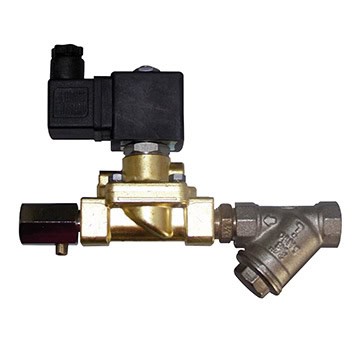
Be aware of component life expectancy – keep up to date on the most recent service and replacement. Proactive replacement planning is essential in maintaining functionality.
3. Control System and Sensor Faults
As systems become more sophisticated, controls and instrumentation play an increasingly important role.
Even where burners and generators remain fully operational, failures to do with sensing or control equipment can result in:
- False alarms
- Nuisance shutdowns
- Monitoring gaps
- Reduced performance
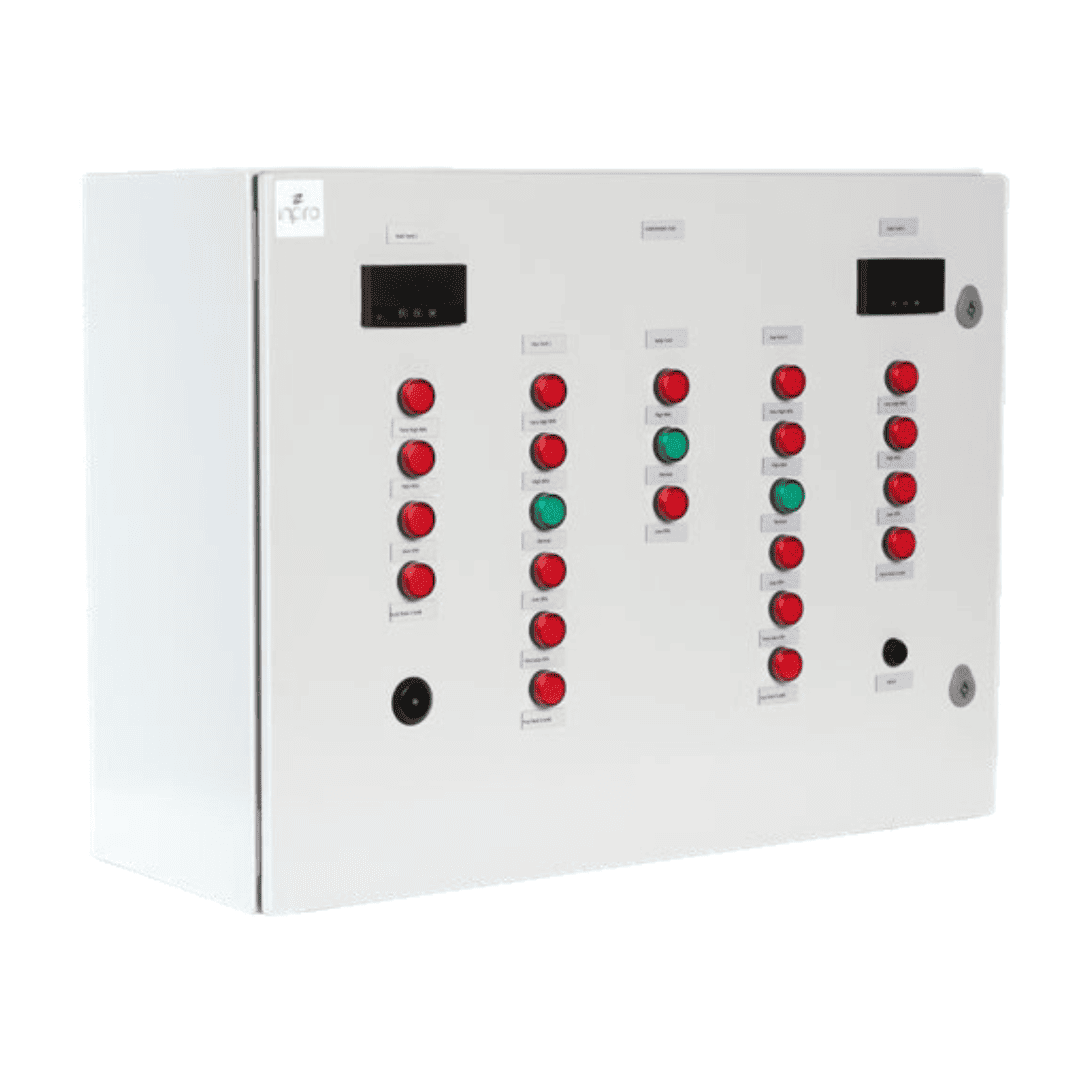
There is nothing worse than a false leak detection – it takes time to figure out that it was a false alarm, and then doubt enters the mind when a legitimate leak is detected. When investigating faults, support equipment such as this should receive the same attention as major mechanical equipment.
4. Action over Reaction
Maintenance teams should not just be for emergencies. Imagine a business loses power, switches automatically to backup power, but there’s an intermittent fault that reduces uptime and productivity. This could have been avoided with thorough, and regular, inspections into the fuel transfer equipment.
The warning signs were there. They were just missed.
Improved monitoring can help identify:
- Performance drift
- Abnormal operating conditions
- Emerging faults
- Service requirements
Earlier intervention can reduce both operational disruption and maintenance costs.
5. Price Isn’t Everything
Cost will always be an important consideration. However, value should be assessed over the life of the equipment, not the cost at the point of purchase.
The consequences of an unreliable component can include:
- Additional site visits
- Increased labour costs
- Customer dissatisfaction
- Contract performance issues
For installers and maintenance teams, balancing cost, reliability and support availability is often the most effective long-term strategy.
Reliability Is Built Into Every Component
Whether you’re supporting backup power, CHP installations or commercial heating systems, reliability depends on more than the burner or the generator.
The pumps, valves, controls, sensors and fuel handling components operating behind the scenes are often the elements that determine long-term performance.
For the companies responsible for installing and maintaining these systems, selecting proven components and working with technically capable suppliers can help reduce risk, improve service outcomes and strengthen customer confidence.